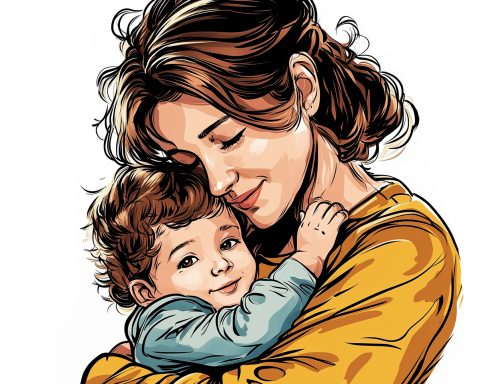
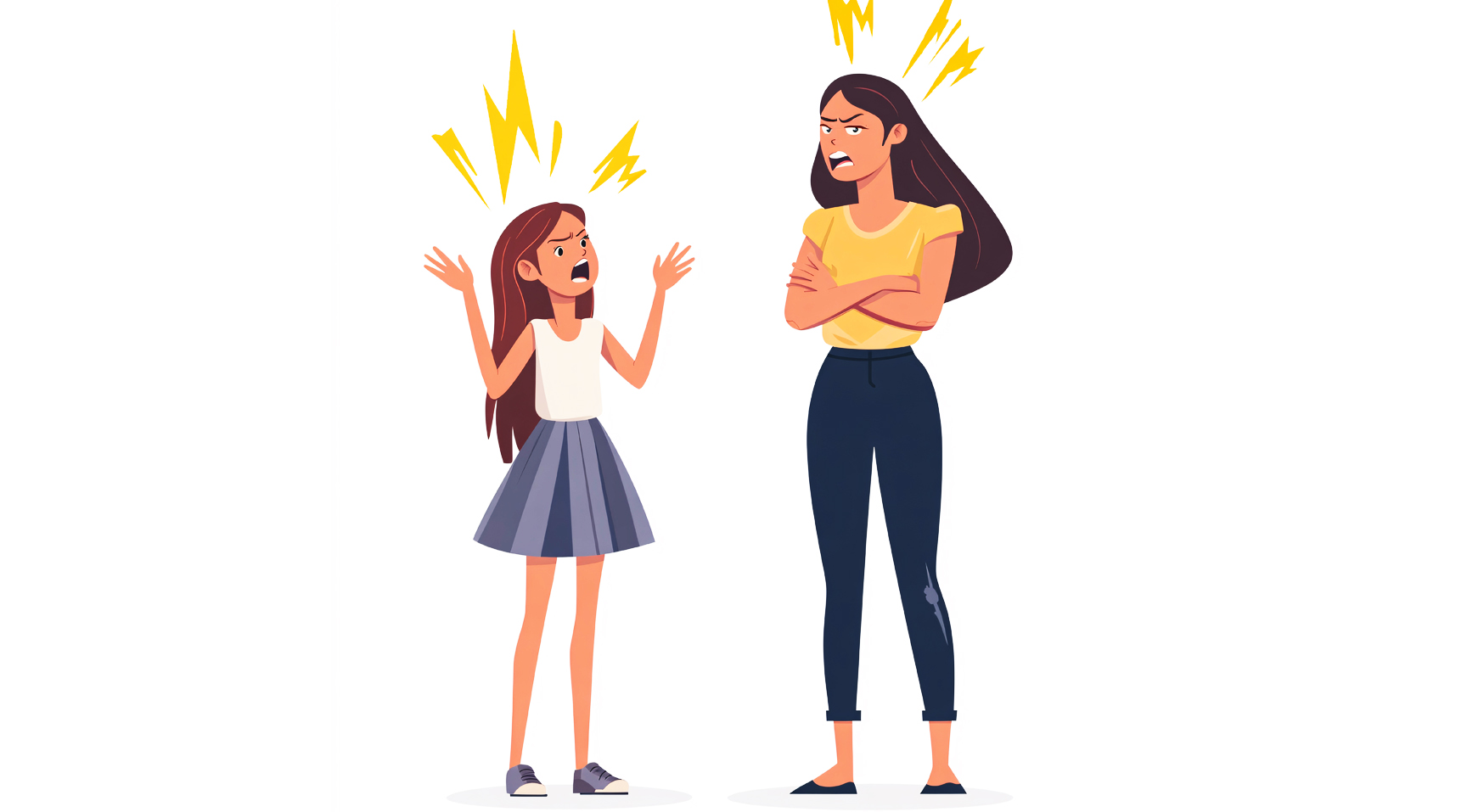
Let’s have an honest conversation about something that affects many of us – parenting through anger. While we all have moments of frustration, understanding how our angry reactions impact our little ones can help us break this cycle and create a healthier environment for our children.
The Ripple Effects of Angry Parenting
- The Mirror Effect (They Copy What They See).
When children live with angry parents, they often:
- Learn to respond with aggression.
- React quickly to stress.
- Struggle to control emotions.
- Copy the anger they see.
- The Self-Worthlessness (Feeling Bad About Themselves).
Wound Children of angry parents typically develop:
- Deep-seated insecurity.
- Think they’re not good enough
- Difficulty believing in themselves.
- Constant self-doubt.
- Personal Fault-Finding (Blaming Themselves).
These children tend to:
- Take responsibility for others’ emotions.
- Apologize excessively.
- Feel responsible for everything.
- Carry guilt that isn’t theirs.
Also Read On: How to Keep Your Ego in Check: 7 Real-Life Tips That Actually Work.
- The Boundary Blur (Struggling with Personal Space).
Growing up with angry parenting leads to:
- Confusion about personal space
- Difficulty saying “no”
- Unclear understanding of healthy limits
- People-pleasing behaviours.
- The Emotional Weight (Feeling Scared and Guilty).
Children often experience:
- Overwhelming shame.
- Constant anxiety.
- Persistent fear.
- Unexplained guilt.
Truth: These feelings can last well into adulthood.
- The Relationship Challenge (Feeling Scared and Guilty).
Later in life, these children might:
- Struggle with intimate relationships.
- Have trouble expressing needs.
- Fear conflict.
- Avoid deep connections.
Breaking the Cycle: What We Can Do
- Recognize the Signs In ourselves:
- Notice anger triggers.
- Track emotional patterns.
- Identify stress points.
- Watch our reactions.
- Practice Pause Parenting When angry:
- Take deep breaths.
- Step away briefly.
- Count to ten.
- Use calming phrases.
- Heal Together With our children:
- Apologize sincerely.
- Explain our emotions.
- Show healthy coping.
- Model self-regulation.
- Create Safe Spaces In your home:
- Establish calm zones.
- Have cool-down corners.
- Practice open communication.
- Encourage emotion sharing.
Also Read On: The Hidden Truths of Dysfunctional Family Upbringings.
Positive Parenting Alternatives
Instead of anger, try:
- Firm but gentle responses.
- Clear, calm communication.
- Consistent boundaries.
- Loving guidance.
Remember:
- Children are still learning.
- Mistakes are normal.
- Growth takes time.
- Healing is possible.
The Path Forward
For Parents:
- Seek support when needed.
- Practice self-compassion.
- Learn new parenting tools.
- Take care of your own emotional health.
For Children:
- Provide emotional safety.
- Validate their feelings.
- Build their confidence.
- Show consistent love.
Healing Steps:
- Acknowledge past mistakes.
- Make conscious changes.
- Seek professional help if needed.
- Practice patience with progress.
Also Read On: Understanding the Five Dimensions of Intimacy
Final Thoughts:
Every parent has moments of anger – it’s human. But recognizing its impact and working to change patterns is what matters most. Your children don’t need perfect parents; they need parents who are trying to do better.