
Let’s get in something important but tricky – how to spot when parents might not be as emotionally mature as we need them to be. This isn’t about blame, but about understanding and growing.
1. They Get Defensive Really Quickly.
What This Looks Like:
- Can’t handle different opinions.
- Take disagreement as personal attacks.
- Get angry when you say “no”
- Make everything about them..
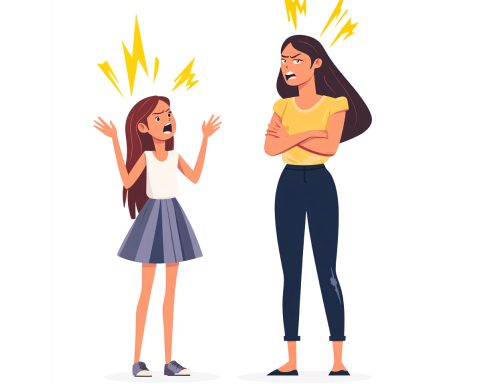
Example: “Mom, I’d rather not go to that family event.” “How dare you! After all I’ve done for you!”
2. They Brush Off Your Feelings
Common Behaviors:
- “You’re too sensitive”.
- “Just get over it”.
- “Stop making such a big deal”.
- “Others have it worse”.
Example: You: “I’m feeling really sad today.” Them: “What do you have to be sad about?”
Also Read On: 5 Simple Signs Your Child Really Trusts You.
3. Nothing Is Ever Their Fault
They Often Say:
- “This wouldn’t happen if you…”
- “You made me react this way”.
- “It’s always someone else’s fault”.
- “I’m the victim here”.
4. They Don’t Get Your Emotions
Signs Include:
- Making jokes when you’re upset.
- Changing the subject when things get deep.
- Getting uncomfortable with your feelings.
- Making everything about them.
5. “Sorry” Seems to Be the Hardest Word.
You’ll Notice:
- Never admitting mistakes.
- Making excuses instead.
- Turning it back on you.
- Expecting you to just “move on”.
Also Read On: The Truth About Love Bombing in Modern Dating.
6. They Can’t Handle Stress Well.
Watch For:
- Emotional outbursts.
- Shutting down completely.
- Making others fix their problems
- Acting like a child when overwhelmed.
How This Affects You
You Might Feel:
- Always walking on eggshells.
- Responsible for their emotions.
- Like your feelings don’t matter.
- Confused about what’s normal.
Common Reactions:
- Doubting yourself.
- Hiding your true feelings.
- Taking care of them.
- Feeling guilty for your needs.
What You Can Do.
For Yourself:
- Remember it’s not your fault.
- Trust your feelings.
- Set gentle boundaries.
- Take care of yourself first.
For Growth:
- Find supportive friends.
- Talk to a counselor.
- Join support groups.
- Learn about healthy relationships.
Also Read On: Simple Guide to Being a Happy Couple
Next Move..
Healthy Steps:
- Accept what you can’t change.
- Focus on your growth.
- Build your support system.
- Practice self-care.
Remember:
- You deserve emotional support.
- Your feelings are valid.
- It’s okay to set boundaries.
- You’re not responsible for their growth.
Conclusion:
Understanding these patterns doesn’t mean you love your parents less. It means you’re growing and learning what healthy relationships look like. That’s something to be proud of!