Psychosis is more than just a mental health term – it’s a complex condition that changes how someone experiences reality. Let’s break down this challenging topic in clear, simple terms to help you better understand what it means and how it affects people.
What Actually is Psychosis?
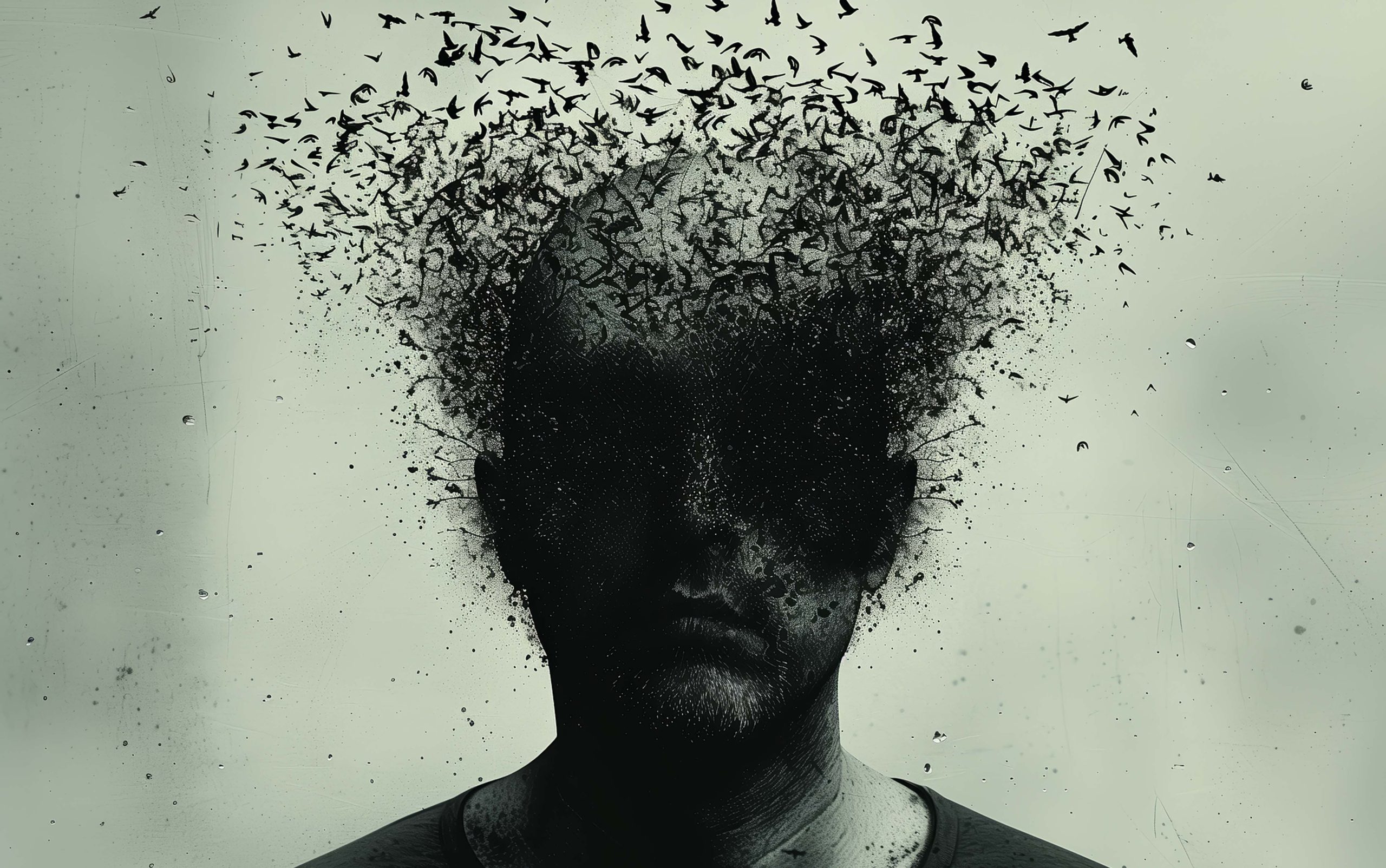
Think of psychosis as a disconnect between a person’s mind and reality. It’s like watching a different movie than everyone else while believing your version is the real one.
Key Signs and Symptoms
1. Thinking Gets Mixed Up
- Words start losing their usual meaning.
- Ideas become jumbled.
- Planning becomes really hard.
- Speech patterns change noticeably.
- Conversations jump between unrelated topics.
- New words might be created.
2. Seeing or Hearing Things Others Don’t
- Hearing voices when no one’s there.
- Seeing people or objects that aren’t present.
- Experiencing smells or tastes without a source.
- Feeling sensations with no physical cause.
3. Strong False Beliefs
Different types include:
- Paranoid: Feeling like you’re being watched or targeted.
- Grandiose: Believing you have supernatural powers.
- Reference: Finding special messages in ordinary things.
- Control: Feeling like outside forces control your thoughts.
- Physical: Believing something’s wrong with your body.
- Depression-related: Carrying false guilt about things.
4. Behaviour Changes
- Pulling away from friends and family.
- Losing interest in usual activities.
- Sudden bursts of unusual activity.
- Laughing or crying at unexpected times.
- Acting in ways that don’t fit the situation.
5. Emotional Changes
- Feeling disconnected from the world.
- Quick shifts between high and low moods.
- Showing less emotion than usual.
- Feeling like you’re watching yourself from outside. Funny right.
UNDERSTANDING THE IMPACT.
Psychosis can affect:
- Daily activities.
- Relationships.
- Work or school performance.
- Personal safety.
- Overall well-being.
Related Conditions
Psychosis can be part of:
- Bipolar disorder.
- Schizophrenia.
- Severe depression.
- Short-term reactive psychosis.
Also Read On: Understanding the 4 Types of Depression.
When to Seek Help
Get professional help if you or someone you know:
- Loses touch with reality.
- Shows major personality changes..
- Has trouble managing daily life.
- Expresses unusual beliefs.
- Seems to see or hear things others don’t.
Important Things to Remember
For Friends and Family:
- Stay calm and supportive.
- Don’t argue about what’s real.
- Help them get professional help.
- Keep them safe.
- Be patient and understanding.
For Those Experiencing Symptoms:
- You’re not alone.
- Help is available
- Treatment works for many people
- Early help makes a difference
- It’s not your fault
Treatment Options
Modern treatments can include:
- Medication
- Therapy
- Support groups.
- Life skills training.
- Family education.
Hope for Recovery
With proper treatment and support, many people:
- Regain touch with reality.
- Return to regular activities.
- Rebuild relationships.
- Learn to manage symptoms.
- Live fulfilling lives.
Remember: Psychosis is a medical condition, not a personal failure. If you notice these signs in yourself or others, reach out to mental health professionals. Early treatment often leads to better outcomes.