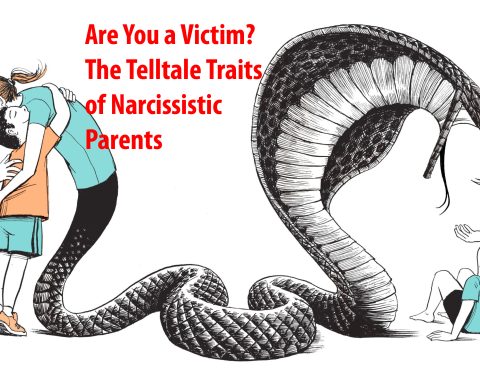

Beneath a narcissist’s confident exterior lies a complex web of insecurities. This isn’t about gaining power over them, but understanding these patterns can help us maintain healthy boundaries. Let’s explore these vulnerabilities.
1. Fear of Self-Reflection
Think of it like this: Imagine someone who’s terrified of looking in mirrors. That’s how narcissists feel about looking inward.
What We Usually See:
- They’re quick to point out others’ flaws.
- They masters at analyzing everyone else.
- They’re always shifting blame.
- Masters of changing the subject
Why This Hurts Them:
- They can’t grow from mistakes.
- They don’t learn from experience.
- Miss chances for real growth.
- Struggle with genuine connections.
2. The Missing Humility Piece
Picture This: Someone wearing an invisible crown, expecting everyone to treat them like royalty. Common Signs:
- Demanding special treatment.
- Looking down on others.
- Never admitting mistakes.
- Acting like rules don’t apply
Impact on Their Lives:
- Shallow friendships
- Troubled relationships
- Constant power battles
- Difficulty keeping partners
3. The Grudge Keeper.
It’s Like: Someone who never throws away old hurts, letting them pile up forever.
How It Shows:
- Holding onto past wrongs.
- Seeking revenge.
- Never letting go.
- Planning payback.
The Real Cost:
- Keeps them stuck.
- Prevent emotional healing
- Blocks new/real relationships.
- Lives in constant anger or stress.
4. Unable to Play Well with Others.
Think of: Someone who turns everything into a competition.
Typical Behaviours:
- Always competing.
- Can’t work in teams.
- Needs to be the boss.
- Refuses to compromise.
Results In:
- Missed opportunities
- Limited success
- Loneliness
- Few real friends
5. The Professional Victim
It’s Like: Someone who thinks the world is out to get them.
Their Usual Story:
- Nothing is their fault
- Everyone’s against them
- Life isn’t fair
- They’re always targeted
PROTECTING YOURSELF
Do These Things:
- Set firm boundaries.
- Stay emotionally distant.
- Keep expectations low.
- Listen to your gut.
- Keep good friends close.
Avoid These Mistakes:
- Trying to fix them.
- Expecting them to change.
- Taking things personally.
- Getting caught in their drama.
Remember These Truths For Your Well-being:
- Their behavior isn’t about you.
- You can’t heal them.
- Your feelings are valid
- It’s okay to step back.
MOVING FORWARD
Healthy Ways to Respond:
- Stay calm.
- Don’t take the bait..
- Keep your emotional distance.
Keep in mind: This information is for understanding, not ammunition. The goal is personal growth and healthy boundaries, not revenge or manipulation. Stay strong, stay kind, and most importantly, stay true to yourself! 💪Note: This guide is for informational purposes. If you’re dealing with narcissistic abuse, please seek professional help.